
Case Study: Transforming Spaces with Innovative Design


Introduction to Innovative Design
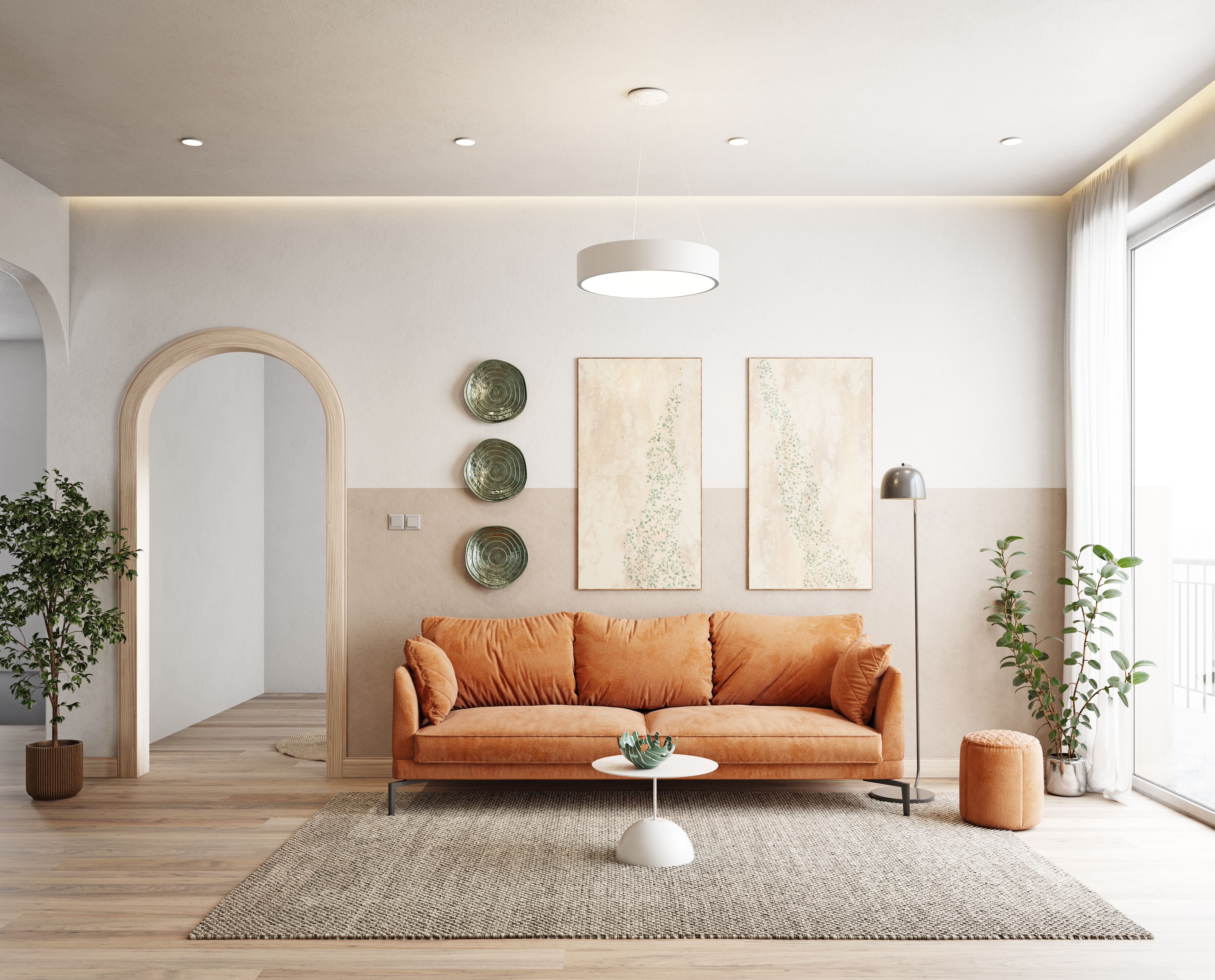
In today's fast-paced world, the way we design and utilize spaces has a profound impact on our daily lives. Transforming spaces with innovative design is not just about aesthetics; it's about creating environments that enhance functionality and improve quality of life. This case study explores how innovative design strategies have been effectively implemented to breathe new life into various types of spaces.
The Challenge of Space Transformation
One of the main challenges in space transformation is balancing form and function. Designers must ensure that the space not only looks appealing but also serves its intended purpose efficiently. This involves understanding the needs of the occupants and the specific requirements of the space. Whether it's a residential area, an office, or a public space, the design must cater to the unique demands of each setting.
An innovative approach often requires thinking outside the box and employing unconventional materials and techniques. This might involve the use of sustainable resources, smart technology, or adaptable designs that can evolve over time.
Case Study: A Successful Transformation
In a recent project, a design firm was tasked with transforming an outdated office building into a modern, collaborative workspace. The goal was to create a space that fostered creativity and collaboration among employees while maintaining a professional atmosphere.

The design team approached this challenge by incorporating open floor plans, flexible workstations, and communal areas. They used glass partitions to maintain openness while providing necessary privacy. The addition of greenery and natural light enhanced the ambiance, making the space more inviting and conducive to productivity.
Key Elements of Transformation
The success of any design transformation hinges on several key elements:
- Functionality: Ensuring the space meets the needs of its users.
- Aesthetics: Creating visually appealing environments.
- Sustainability: Utilizing eco-friendly materials and practices.
- Technology Integration: Incorporating smart solutions for enhanced efficiency.
By focusing on these elements, designers can create spaces that are not only beautiful but also practical and sustainable.

Impact of Innovative Design
The impact of innovative design extends beyond the physical transformation of a space. It can influence the behavior and mood of its occupants, improve workflow efficiency, and even increase property value. In the office space case study, employees reported higher job satisfaction and increased collaboration, directly contributing to the company's success.
Moreover, innovative design can play a crucial role in addressing broader societal issues, such as environmental sustainability and urban development. By reimagining how spaces are used and constructed, designers can contribute to a more sustainable and equitable future.
Conclusion: The Future of Space Design
As technology continues to advance and societal needs evolve, the role of innovative design in transforming spaces will only become more critical. Designers must stay ahead of trends and embrace new technologies to meet the ever-changing demands of modern life.
Ultimately, the goal is to create spaces that are not only aesthetically pleasing but also functional, sustainable, and adaptable. By doing so, we can transform the environments where we live, work, and play into spaces that truly enhance our lives.