
Comparing Modern vs. Traditional Construction Techniques


Introduction to Construction Techniques
Construction techniques have evolved significantly over the years, moving from traditional methods to more modern approaches. This evolution has been driven by the need for efficiency, sustainability, and innovation. Understanding these techniques is crucial for anyone involved in the construction industry.
Traditional Construction Techniques
Materials and Methods
Traditional construction relies heavily on materials such as wood, stone, and brick. These materials have been used for centuries due to their availability and durability. The methods involved in traditional construction often include manual labor and simple tools, relying heavily on skilled craftsmanship.
Strengths and Weaknesses
While traditional techniques offer a sense of authenticity and charm, they can be labor-intensive and time-consuming. The reliance on locally-sourced materials often limits the design possibilities. However, these methods are praised for their sustainability and minimal environmental impact.

Modern Construction Techniques
Innovative Materials
Modern construction techniques utilize advanced materials such as steel, concrete, and composites. These materials allow for greater flexibility in design and provide enhanced strength and durability. Additionally, the use of prefabricated components can significantly reduce construction time.
Technological Advancements
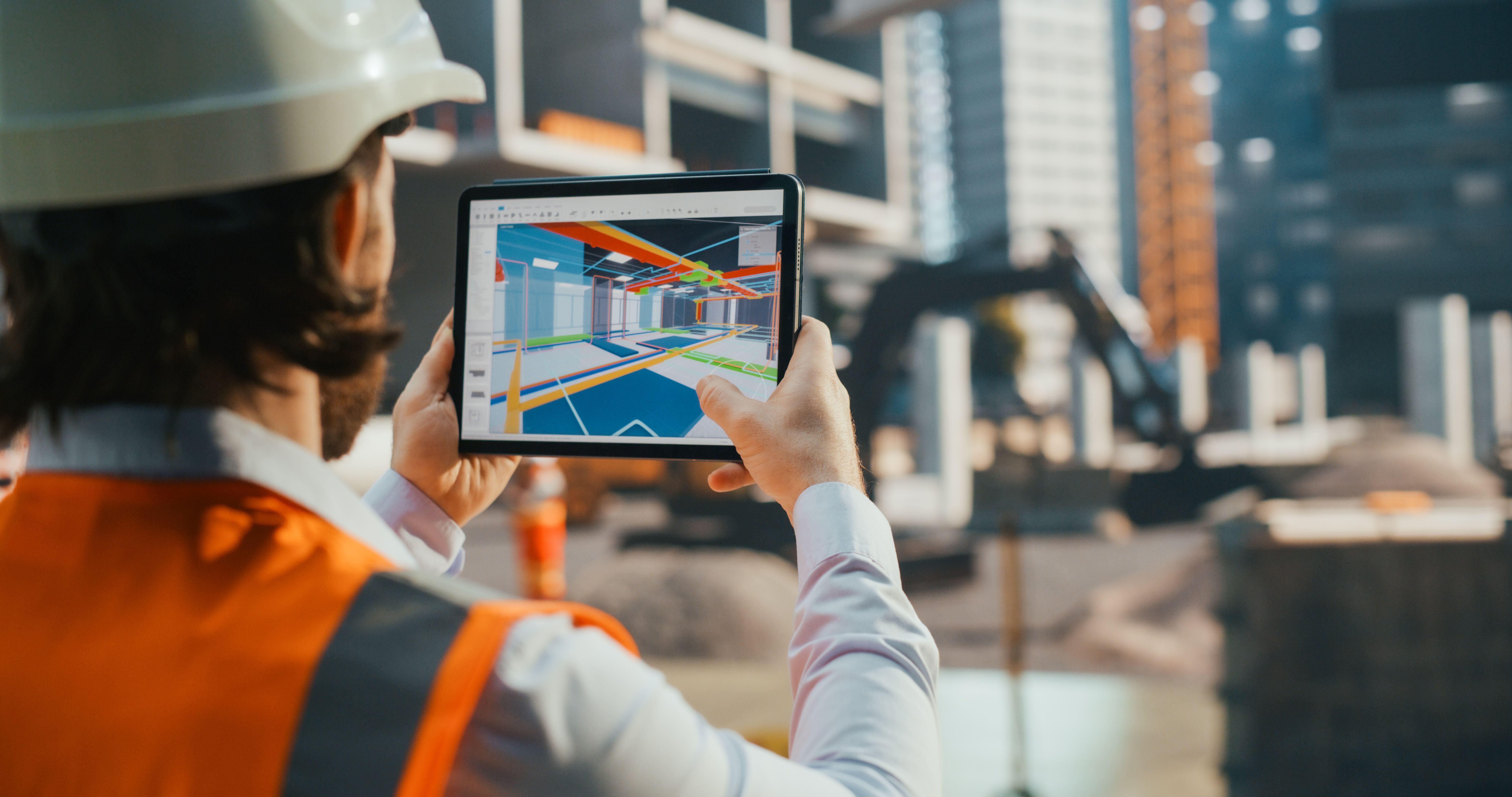
Technology plays a crucial role in modern construction, with tools such as Building Information Modeling (BIM) and 3D printing revolutionizing the industry. These technologies allow for precise planning and efficient execution, reducing errors and waste.
Comparing Costs and Efficiency
When comparing costs, modern construction techniques often prove to be more cost-effective in the long run due to reduced labor and material wastage. However, the initial investment can be higher due to the need for specialized equipment and technology.
Sustainability and Environmental Impact
Sustainability is a growing concern in the construction industry. Traditional methods are often seen as more environmentally friendly due to their use of natural materials. However, modern techniques are increasingly incorporating sustainable practices, such as energy-efficient designs and the use of recyclable materials.

Conclusion
Both traditional and modern construction techniques have their own set of advantages and limitations. The choice between the two often depends on the specific needs of a project, budget constraints, and environmental considerations. As the industry continues to evolve, we can expect further innovations that blend these techniques, providing the best of both worlds.