
Comprehensive Guide to Sustainable Construction Techniques


Introduction to Sustainable Construction
Sustainable construction is rapidly becoming a cornerstone of modern architecture and building practices. As environmental concerns grow, the demand for eco-friendly construction techniques has increased. These methods not only minimize environmental impact but also promote energy efficiency, resource conservation, and healthy living spaces.
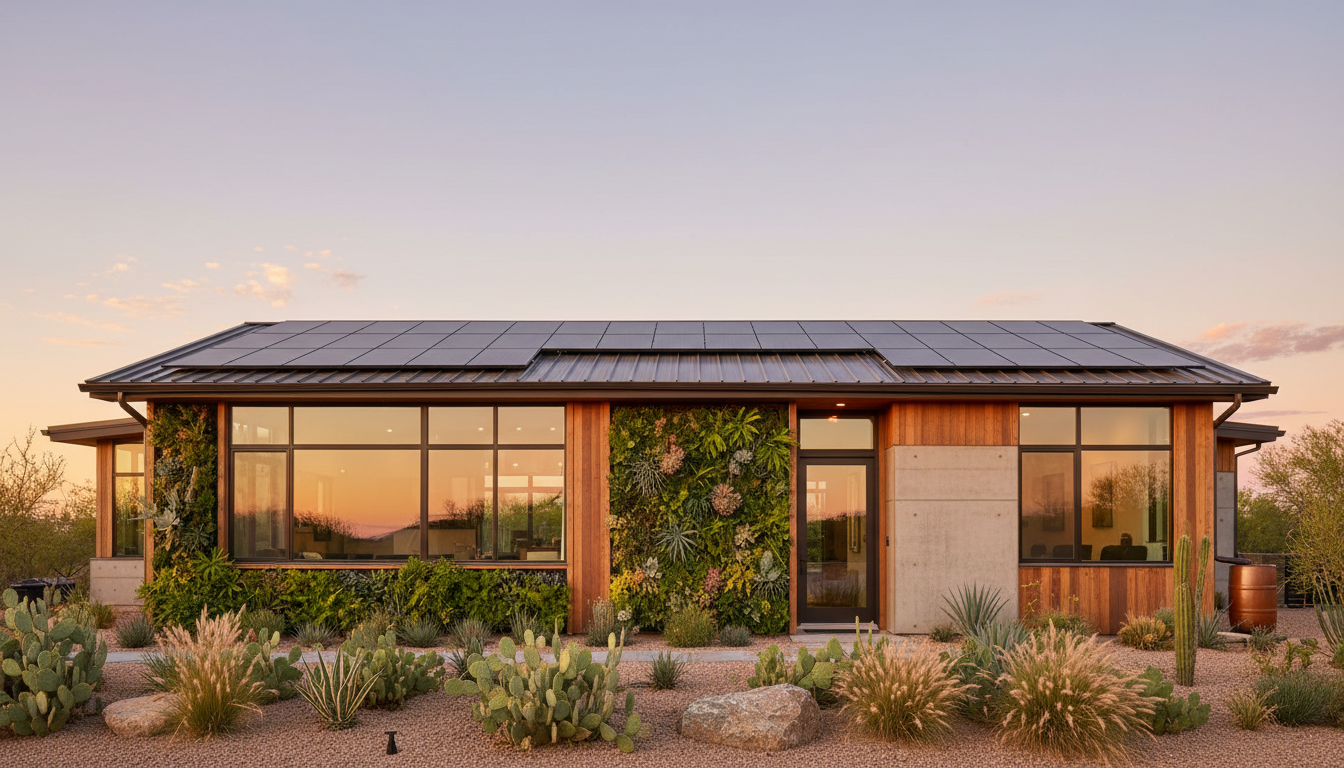
Understanding Sustainable Materials
One of the key elements of sustainable construction is the use of environmentally responsible materials. This includes renewable resources like bamboo and reclaimed wood, as well as recycled materials such as steel and glass. Using these materials helps reduce waste and lowers the carbon footprint of new structures.
Bamboo and Reclaimed Wood
Bamboo is a fast-growing plant that regenerates quickly, making it an excellent alternative to traditional hardwoods. Reclaimed wood, sourced from old buildings and structures, adds a rustic charm while avoiding the need for new lumber production.
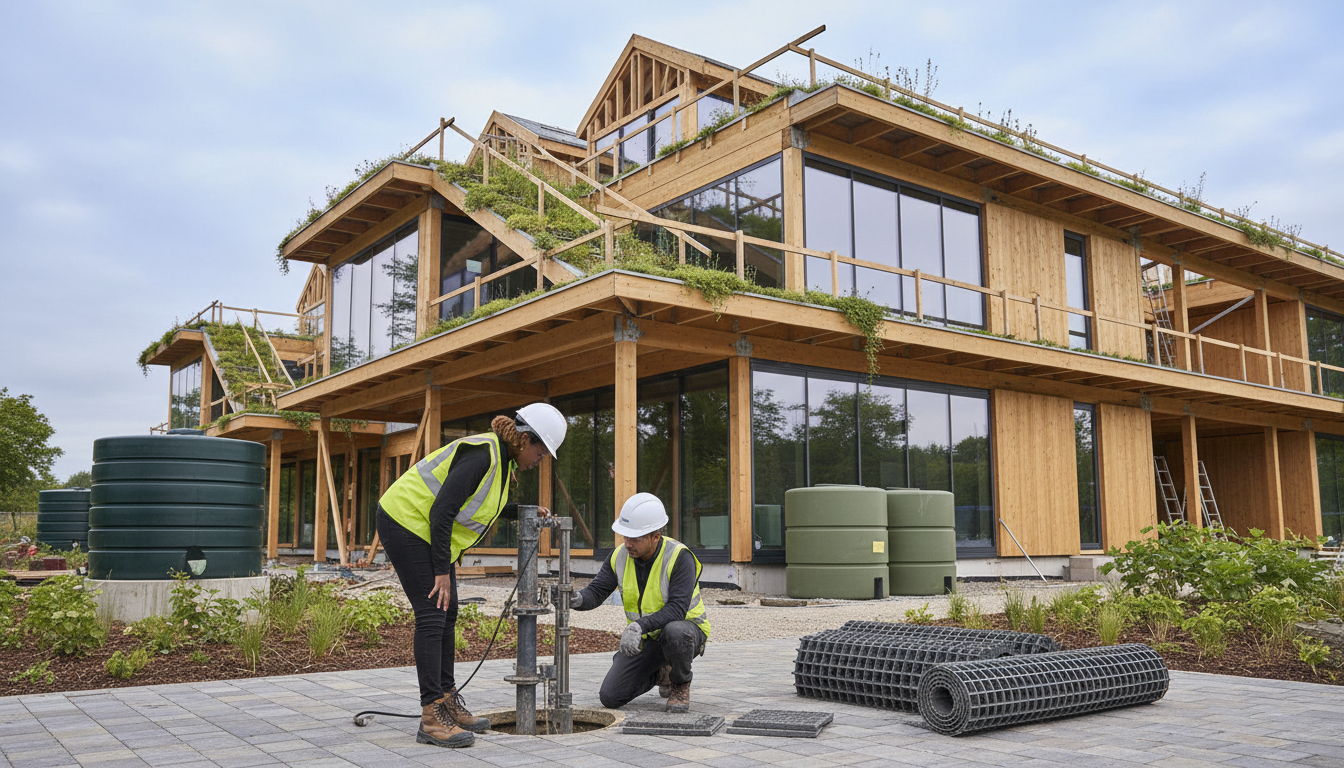
Recycled Steel and Glass
Recycled steel is not only strong and durable but also reduces the need for mining new materials. Similarly, recycled glass can be used in windows and decorative features, offering both aesthetic appeal and sustainability.
Energy-Efficient Building Design
Designing buildings with energy efficiency in mind is crucial for sustainability. This involves maximizing natural light, utilizing proper insulation, and incorporating renewable energy sources like solar panels.
Natural Lighting and Insulation
Natural lighting reduces the need for artificial light during the day, cutting down on electricity use. Effective insulation helps maintain temperature, reducing the need for heating and cooling systems and thus conserving energy.
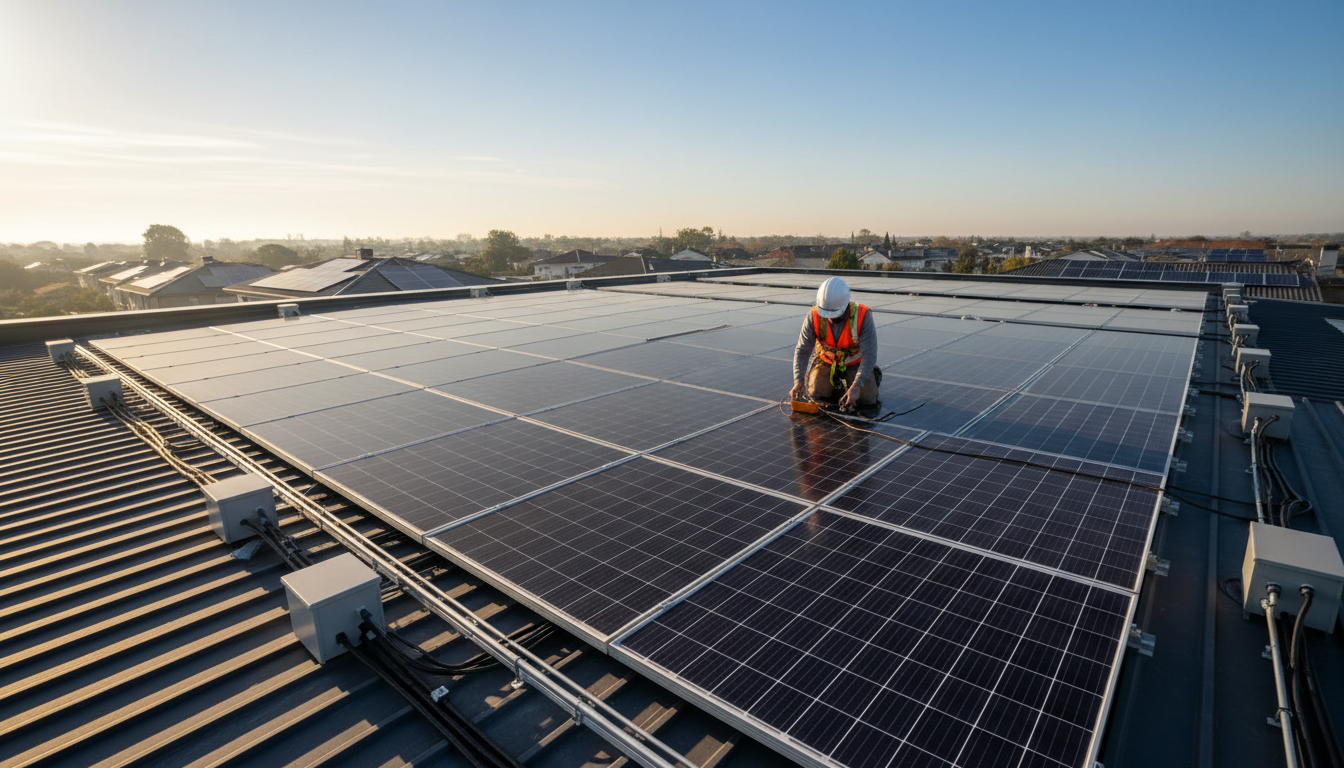
Renewable Energy Integration
Solar panels and wind turbines are popular choices for integrating renewable energy into buildings. These systems can significantly reduce reliance on non-renewable energy sources, lowering both costs and environmental impact.
Water Conservation Techniques
Water conservation is another critical aspect of sustainable construction. Implementing systems like rainwater harvesting and greywater recycling can dramatically reduce water usage and promote efficient resource management.
Rainwater Harvesting
Rainwater harvesting involves collecting and storing rainwater for non-potable uses such as irrigation and toilet flushing. This technique reduces the demand on municipal water supplies and promotes self-sufficiency.

Greywater Recycling
Greywater recycling systems treat and reuse wastewater from sinks, showers, and laundry. By repurposing this water for landscaping or flushing, buildings can significantly cut down on their fresh water consumption.
Conclusion: The Future of Sustainable Construction
As we look to the future, sustainable construction techniques will continue to evolve and improve. Embracing these practices not only benefits the environment but can also lead to cost savings and healthier living conditions. By prioritizing sustainability, we pave the way for a greener, more resilient built environment.