
Expert Advice: Avoiding Common Pitfalls in Home Construction


Understanding the Importance of Planning
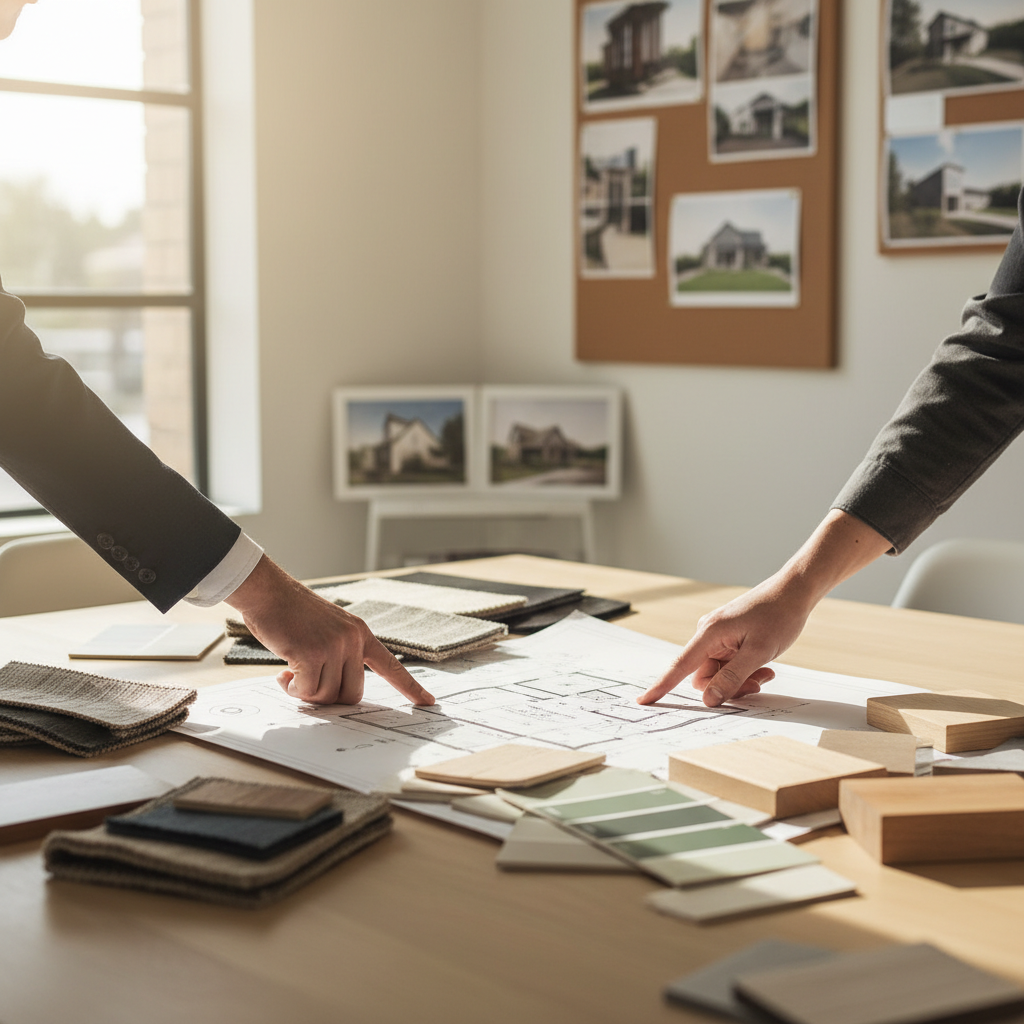
Home construction is a significant undertaking that requires careful planning and execution. A well-thought-out plan can mean the difference between a dream home and a construction nightmare. Planning involves more than just blueprints; it encompasses budgeting, timelines, and selecting the right team.
Before laying the first brick, ensure you have a clear vision of what you want. Engage with architects and designers early to create a comprehensive plan that aligns with your needs and budget. A detailed plan will help you avoid costly mistakes and ensure the project progresses smoothly.
Choosing the Right Contractor
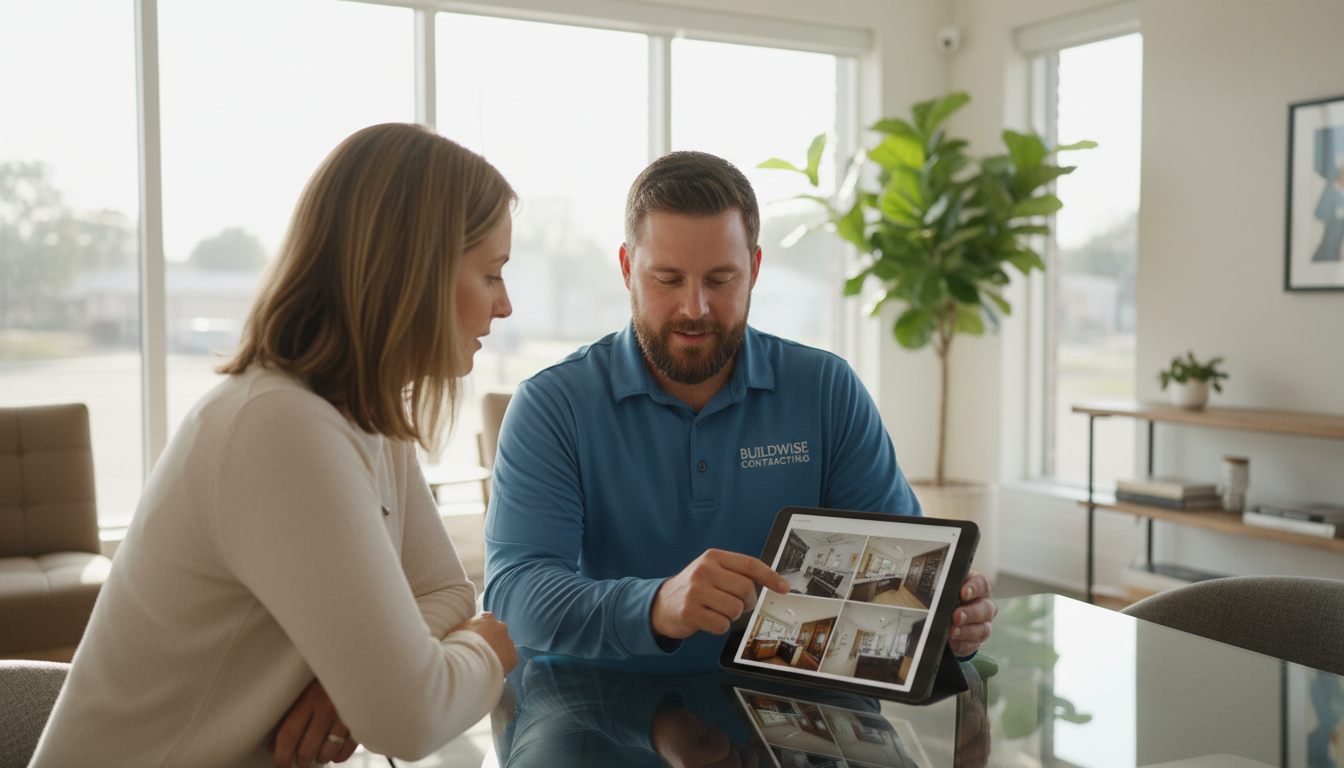
Selecting the right contractor is crucial for a successful home construction project. Research is key—seek recommendations from friends, family, and online reviews. Once you have a shortlist, conduct interviews to gauge their experience and approach.
Don't hesitate to ask for references and visit past projects to assess their quality of work. A reliable contractor will be transparent about their process, costs, and any potential challenges. This transparency builds trust and sets the foundation for a successful collaboration.
Understanding Contracts and Permits
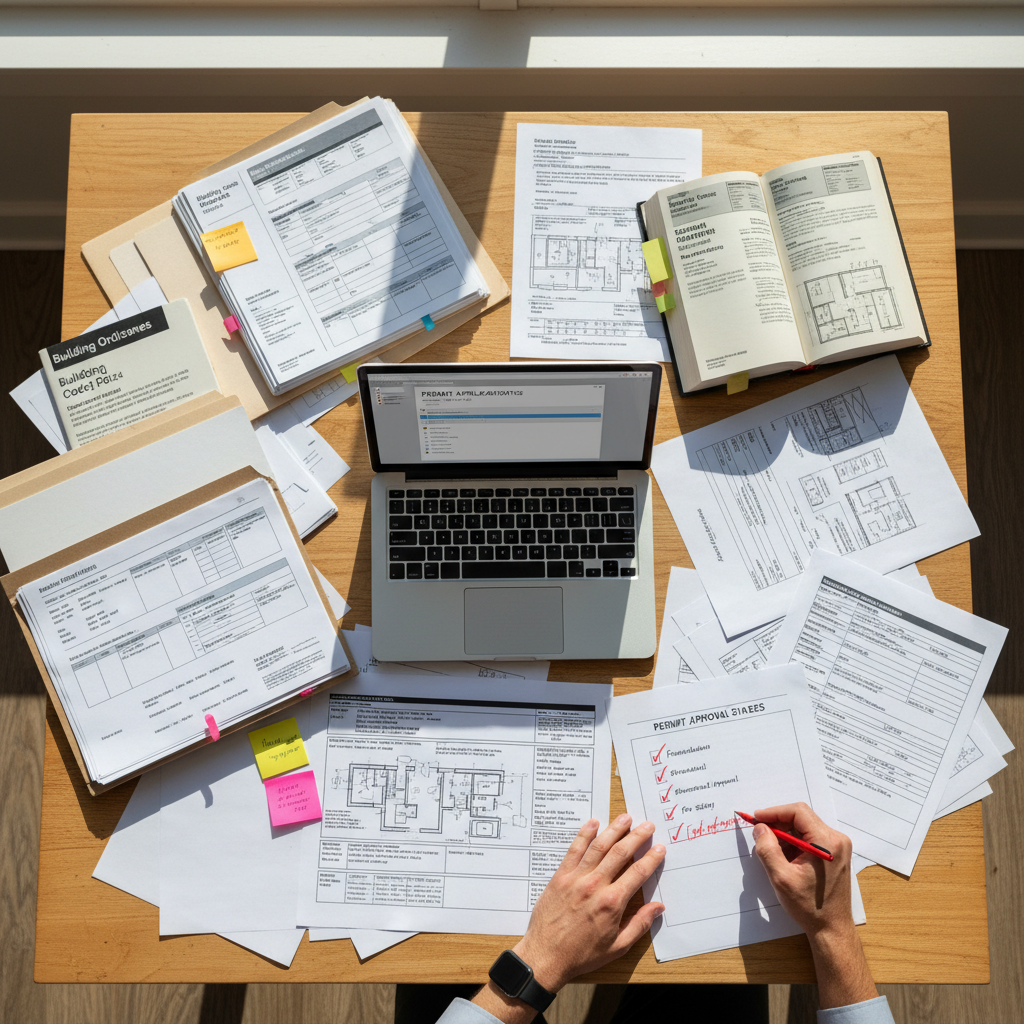
Contracts and permits are legal necessities that protect both you and the contractor. Ensure the contract is detailed, covering all aspects of the project, including timelines, costs, and any contingencies. Both parties should clearly understand and agree to the terms before starting the project.
Additionally, obtaining the necessary permits is critical. Working without them can lead to fines and delays. A competent contractor will often assist with the permit process, ensuring all legal requirements are met.
Budgeting Wisely
One of the most common pitfalls in home construction is underestimating costs. Establish a realistic budget that includes all aspects of the project, from materials to labor. Always allocate a contingency fund—unexpected expenses are common in construction.
Keep track of spending throughout the project to avoid overshooting the budget. Regular financial reviews with your contractor can help identify potential savings and prevent unnecessary expenditures.

Communicating Effectively
Clear communication with your team is essential to prevent misunderstandings that could derail your project. Establish a communication plan that includes regular updates and meetings to discuss progress and any issues that arise.
Encourage open dialogue and make sure everyone involved is on the same page. Effective communication fosters a collaborative environment, ensuring everyone works towards the same goals.
Focusing on Quality
Quality should never be compromised in home construction. Choose high-quality materials that fit your budget and withstand the test of time. Cutting corners to save costs can lead to more significant expenses in the long run.
Work closely with your contractor to ensure that all construction standards are met. Regular inspections during the build can catch potential issues early and ensure everything is up to code.
Preparing for the Unexpected
No matter how well you plan, unexpected challenges may arise. Be prepared to adapt and make informed decisions to keep the project on track. Flexibility and a problem-solving mindset are valuable assets during construction.
By anticipating potential issues and having a contingency plan, you can navigate challenges without significant disruptions to your timeline or budget. A proactive approach will help you stay in control of your home construction project.