
Expert Insights on the Latest Construction Trends


Embracing Sustainability in Construction
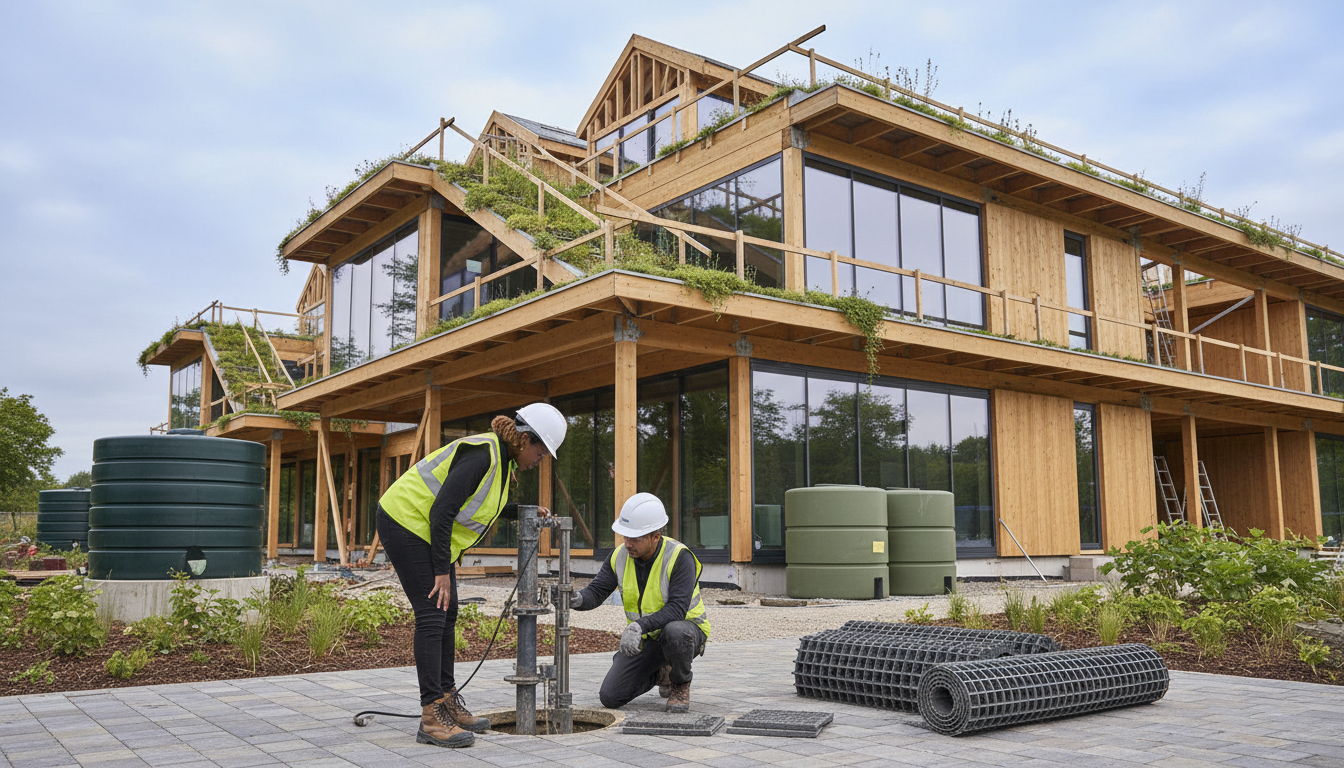
In recent years, the construction industry has made significant strides toward sustainability. The focus on eco-friendly materials and energy-efficient designs is reshaping how buildings are constructed. Companies are increasingly investing in green technologies, such as solar panels and sustainable insulation, to reduce environmental impact. This shift not only helps in conserving natural resources but also reduces long-term operational costs.
One trend gaining momentum is the use of recycled materials. From reclaimed wood to recycled steel, these materials are becoming staples in modern construction projects. They provide a dual benefit: reducing waste and cutting costs. As consumers become more environmentally conscious, the demand for buildings with minimal carbon footprints continues to grow.
Technological Advancements in Construction
Technology is revolutionizing the construction industry, offering new tools to enhance efficiency and precision. Building Information Modeling (BIM) is a standout technology that allows architects and engineers to create detailed 3D models of projects. This digital representation helps in visualizing every aspect of a building, ensuring accuracy and facilitating collaboration among stakeholders.
Another technological breakthrough is the use of drones. Drones provide a bird’s-eye view of construction sites, helping in site surveys, inspections, and progress tracking. They offer a cost-effective way to monitor large areas, ensuring safety and compliance while capturing high-resolution images and data.

Modular and Prefabricated Construction
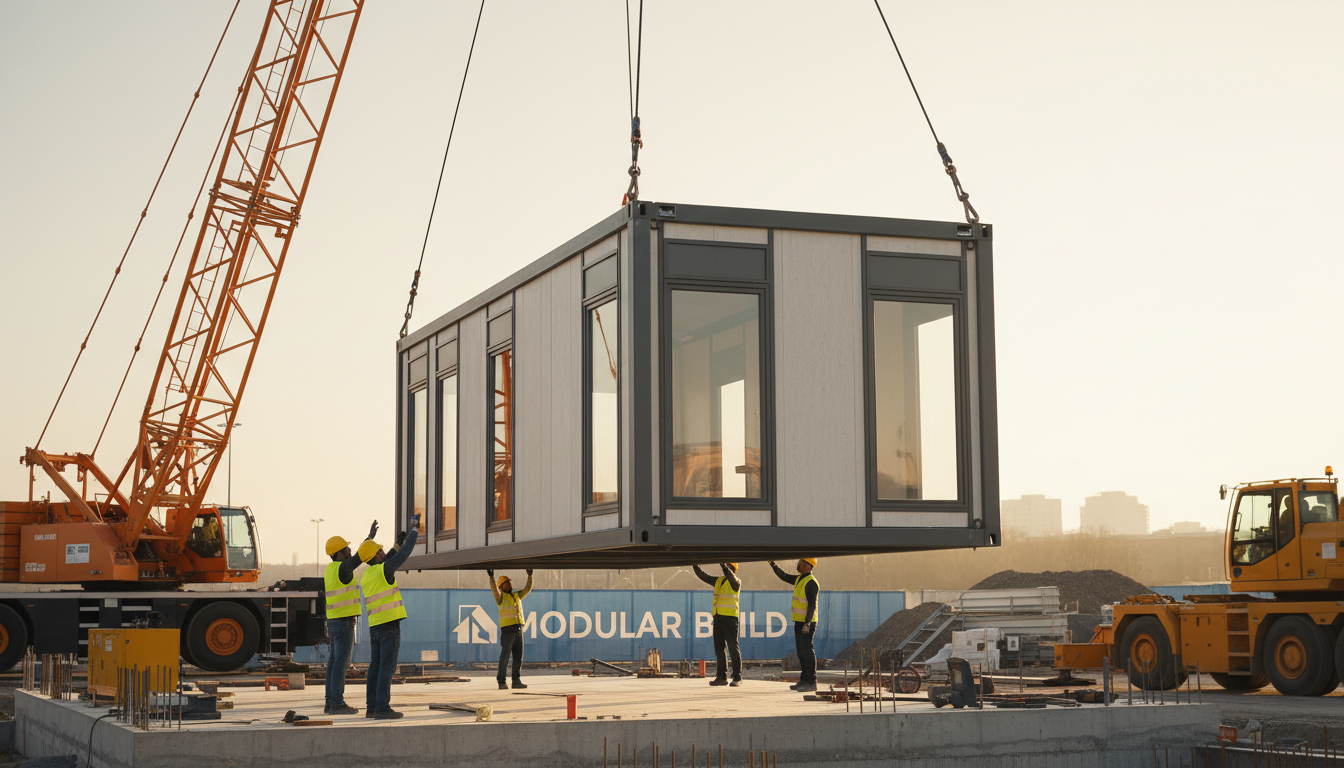
Modular construction is rapidly gaining popularity due to its efficiency and cost-effectiveness. By constructing sections of buildings off-site in a controlled environment, companies can significantly reduce construction time and waste. This method also ensures higher quality control, as modules are built under strict supervision before being transported and assembled on-site.
Prefabricated structures are not limited to residential buildings; they are increasingly used in commercial projects. From hotels to healthcare facilities, the speed and flexibility of prefabricated construction offer a competitive advantage in meeting tight deadlines without compromising quality.
Smart Buildings and Automation
Smart buildings equipped with automation systems are no longer a futuristic concept. These buildings integrate advanced technologies to manage lighting, heating, security, and more, optimizing energy usage and enhancing occupant comfort. IoT devices play a crucial role in this transformation, providing real-time data to improve building operations.
Automation in construction also extends to robotics. Robots are being utilized to perform repetitive tasks such as bricklaying and concrete pouring, improving precision and reducing labor costs. As technology advances, the role of robotics in construction is expected to expand further, paving the way for more efficient and safer construction processes.

The Future of Construction
The trends shaping the construction industry today are set to define its future. As sustainability becomes a key focus, innovation in materials and technologies will continue to evolve. The integration of smart and automated systems will further enhance building efficiency, safety, and comfort.
Looking ahead, the industry is poised for transformative growth, driven by a commitment to reduce environmental impact and embrace technological advancements. By staying ahead of these trends, construction companies can not only meet the demands of modern consumers but also contribute to a more sustainable and connected world.