
Understanding Local Building Codes and Regulations: A Homeowner's Guide


Introduction to Local Building Codes
Building codes are essential for ensuring safety, health, and quality in construction. As a homeowner, understanding these regulations is crucial, whether you're planning a renovation or building a new home. Local building codes vary by region, reflecting the unique environmental and safety needs of an area.
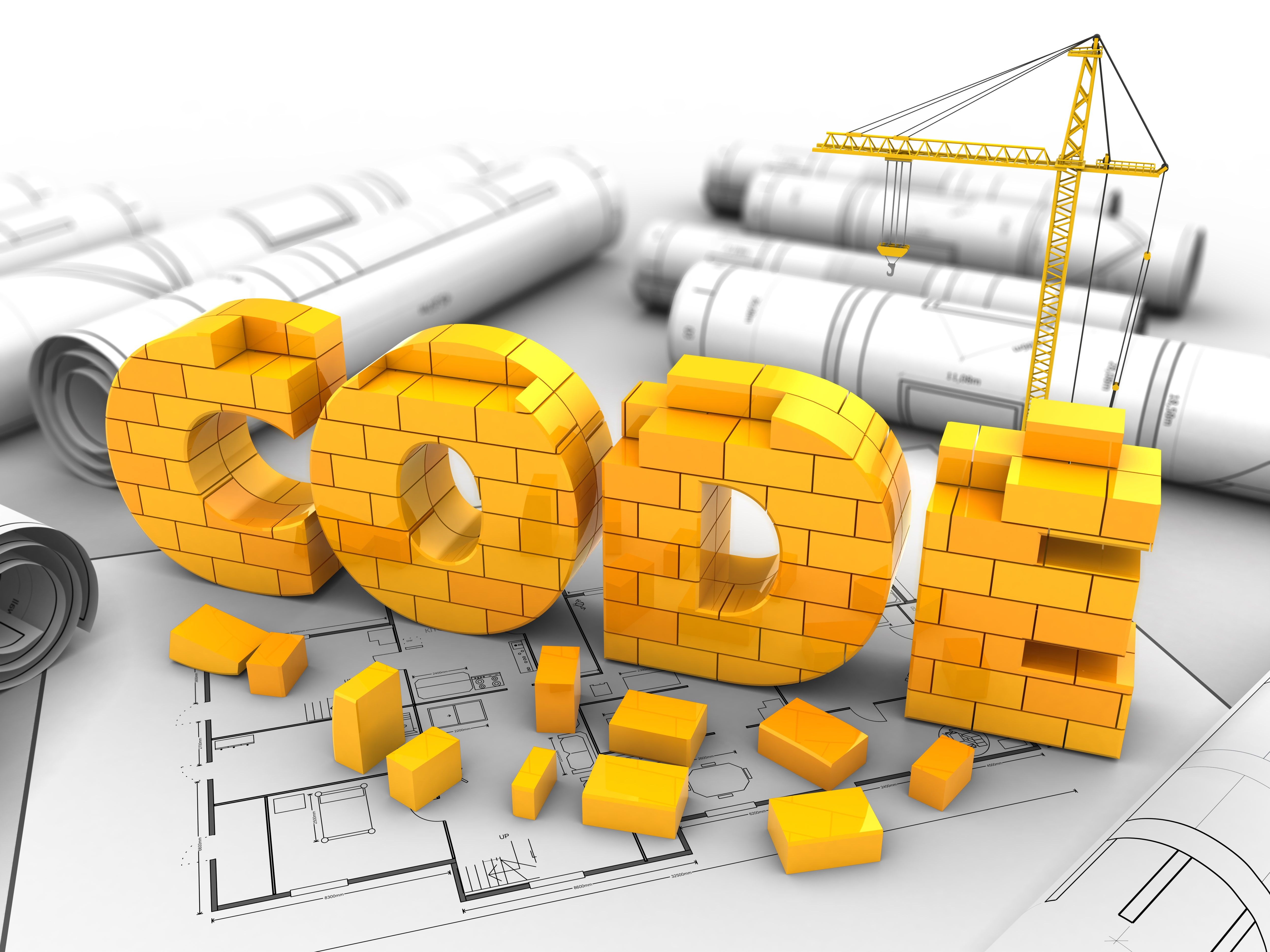
Why Building Codes Matter
Building codes are designed to protect both the occupants and the community. They ensure that structures can withstand various environmental stresses like earthquakes, floods, or high winds. Adhering to these codes not only ensures safety but can also impact the resale value of your home.
Non-compliance with building codes can result in fines, legal issues, and even the need to demolish or redo work, which can be costly. Therefore, understanding these regulations before starting any project is essential.
Key Areas Covered by Building Codes
Building codes cover a wide range of areas, including structural integrity, electrical systems, plumbing, and fire safety. Here are some key areas:
- Structural Integrity: Ensures the building can support its intended load.
- Electrical Systems: Covers wiring, outlets, and other electrical installations.
- Plumbing: Regulates piping, drainage, and water supply systems.
- Fire Safety: Includes requirements for smoke detectors and fire escapes.
How to Find Your Local Building Codes
Finding your local building codes can be as simple as visiting your city or county’s official website. Many municipalities provide online access to current codes. Alternatively, you can visit your local building department in person for detailed information.
Hiring a professional, such as a contractor or architect, can also help ensure that your project complies with all necessary regulations. They often have extensive knowledge and experience navigating local codes.
Steps to Ensure Compliance
Ensuring compliance with building codes involves several steps:
- Research: Understand the specific codes applicable to your project.
- Plan: Develop a detailed plan that incorporates all code requirements.
- Consult Professionals: Hire professionals who are familiar with local codes.
- Obtain Permits: Secure all necessary permits before starting the project.
- Inspections: Schedule inspections at various stages of the project.

Common Challenges and Solutions
One common challenge homeowners face is understanding the technical language of codes. Hiring a professional can help translate these requirements into actionable steps. Additionally, unexpected changes in codes can impact ongoing projects, so staying informed about any updates is crucial.
Another challenge is managing timelines, as obtaining permits and scheduling inspections can delay projects. Planning ahead and maintaining open communication with your contractor can alleviate these issues.
Conclusion: The Importance of Due Diligence
Understanding and adhering to local building codes is a vital part of any construction or renovation project. It not only ensures the safety and legality of your home but also protects your investment. By taking the time to research, plan, and consult with professionals, you can successfully navigate the complexities of building codes and regulations.