
Understanding Local Construction Regulations and Requirements


Introduction to Local Construction Regulations
Understanding local construction regulations is crucial for anyone involved in building projects. These regulations ensure safety, compliance, and quality in construction work. Whether you are a homeowner planning a renovation or a contractor working on a large-scale project, knowing these rules can save you time and money.

The Importance of Building Codes
Building codes are a set of rules that specify the standards for constructed objects. They ensure that buildings are safe and accessible. These codes are updated regularly to incorporate new technologies and safety measures. Ignoring these can lead to penalties and even demolition of non-compliant structures.
Why Compliance Matters
Compliance with building codes is not just a legal requirement; it is a matter of safety and responsibility. Proper adherence prevents accidents, reduces the risk of structural failure, and ensures that buildings are energy-efficient. Following these codes can also enhance the longevity of a structure.
Understanding Zoning Laws
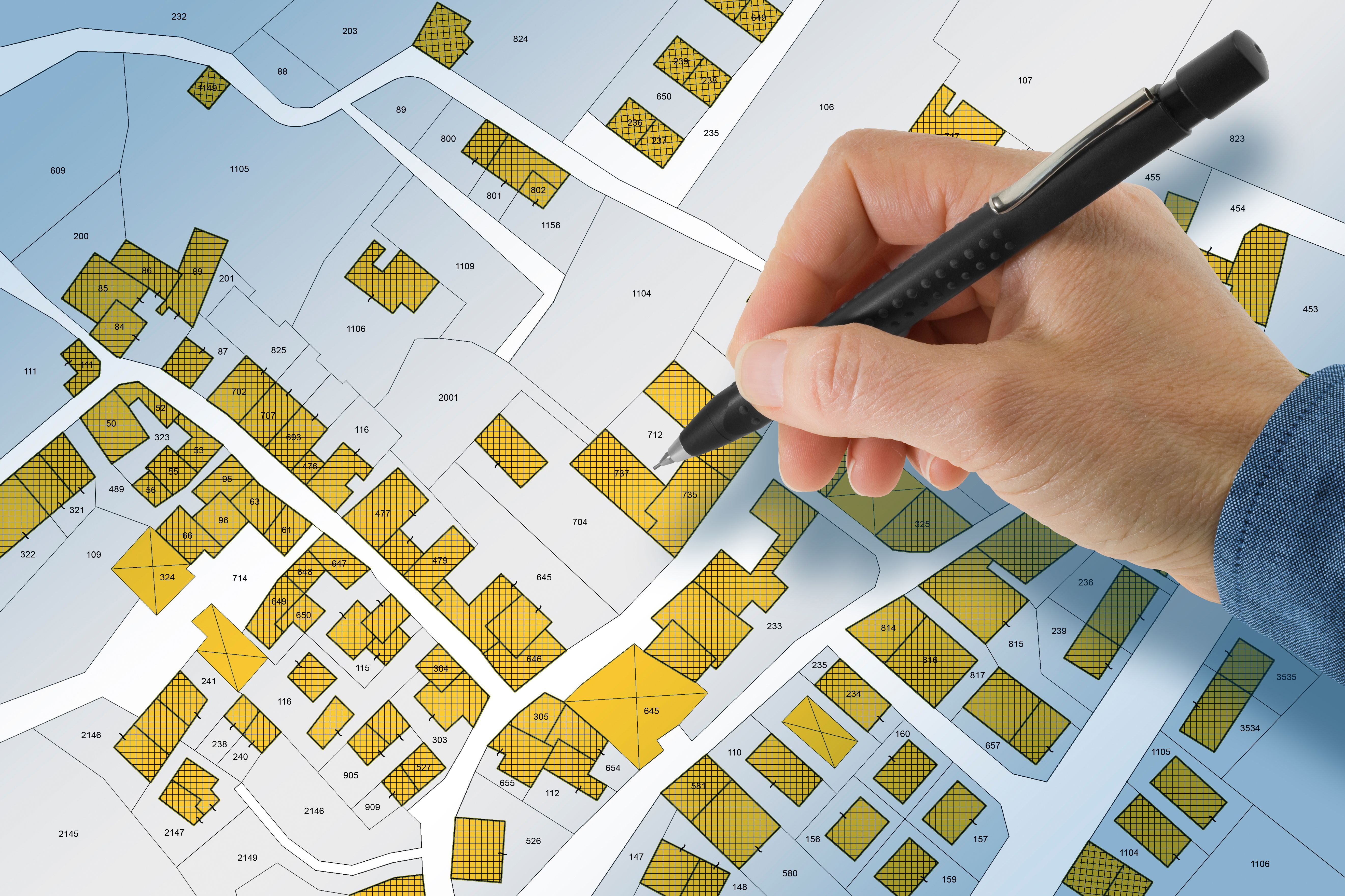
Zoning laws are local regulations that dictate how land can be used. They are crucial when planning construction projects, as they define what types of buildings can be erected in specific areas. Understanding these laws can prevent legal disputes and project delays.
Types of Zoning
Typically, zoning laws classify areas into residential, commercial, industrial, and agricultural zones. Each category has specific rules regarding the types of structures allowed, their purpose, and even their height and size. Knowing the zoning classification of your project site is essential.
Obtaining Necessary Permits
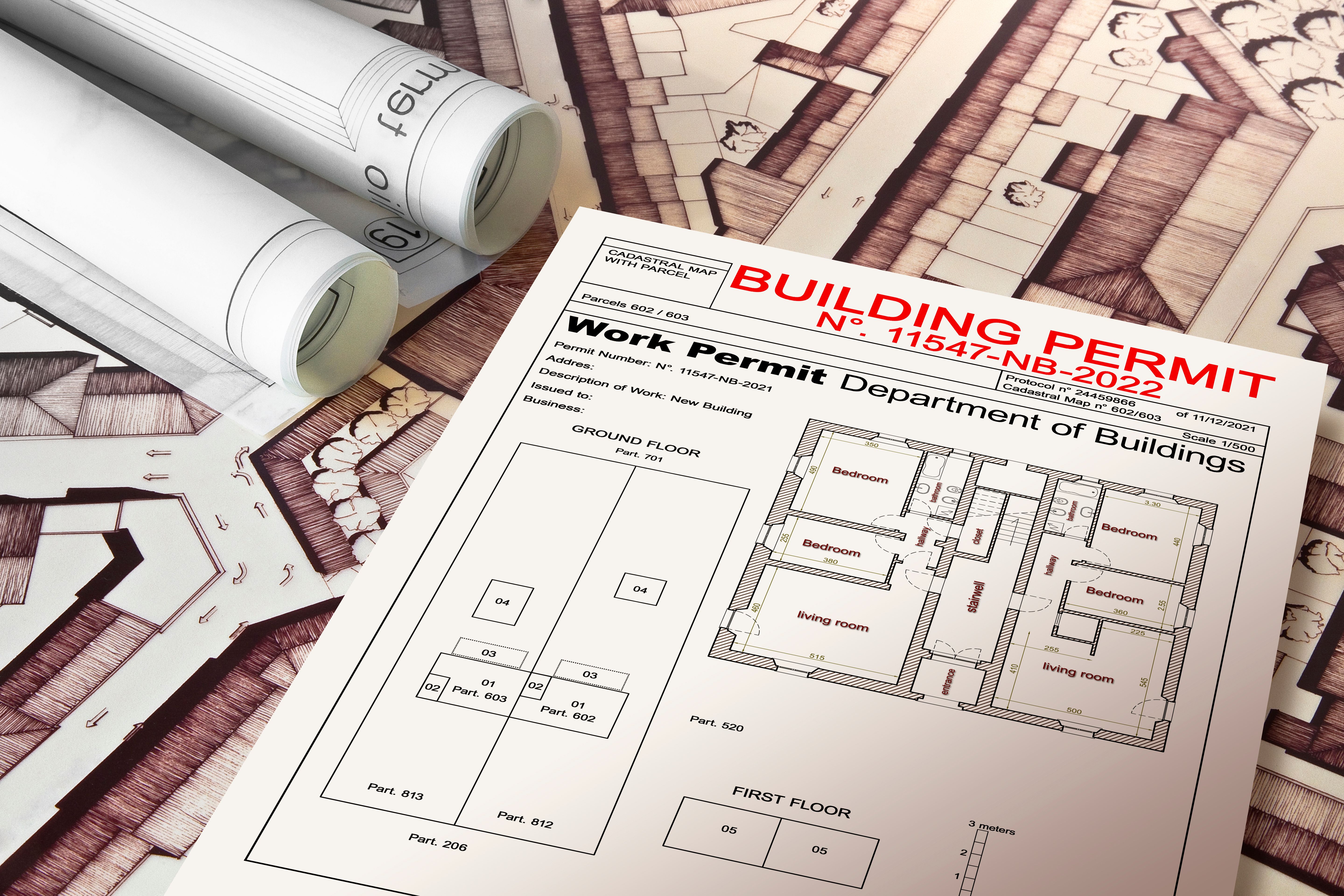
Before starting any construction work, obtaining the necessary permits is vital. These permits are a way for local authorities to ensure that the proposed project complies with all relevant regulations and standards.
Steps to Acquire Permits
The process of obtaining permits usually involves submitting detailed plans to a local building department. These plans are reviewed for compliance with local codes and regulations. It may require several rounds of revisions, so planning ahead is crucial.
Working with Professionals
Hiring experienced architects, engineers, and contractors can greatly ease the process of navigating local construction regulations. These professionals are familiar with the codes and can guide you through the necessary steps to ensure compliance.
Benefits of Professional Assistance
Working with professionals not only ensures compliance but also enhances the quality of your construction project. They bring expertise and knowledge that can help avoid costly mistakes and ensure that the project is completed on time and within budget.
Conclusion
Understanding and adhering to local construction regulations and requirements is essential for the success of any building project. By familiarizing yourself with building codes, zoning laws, and permit processes, you can ensure a smooth, compliant construction experience.