
Understanding the Benefits of Modular Construction Techniques


Introduction to Modular Construction
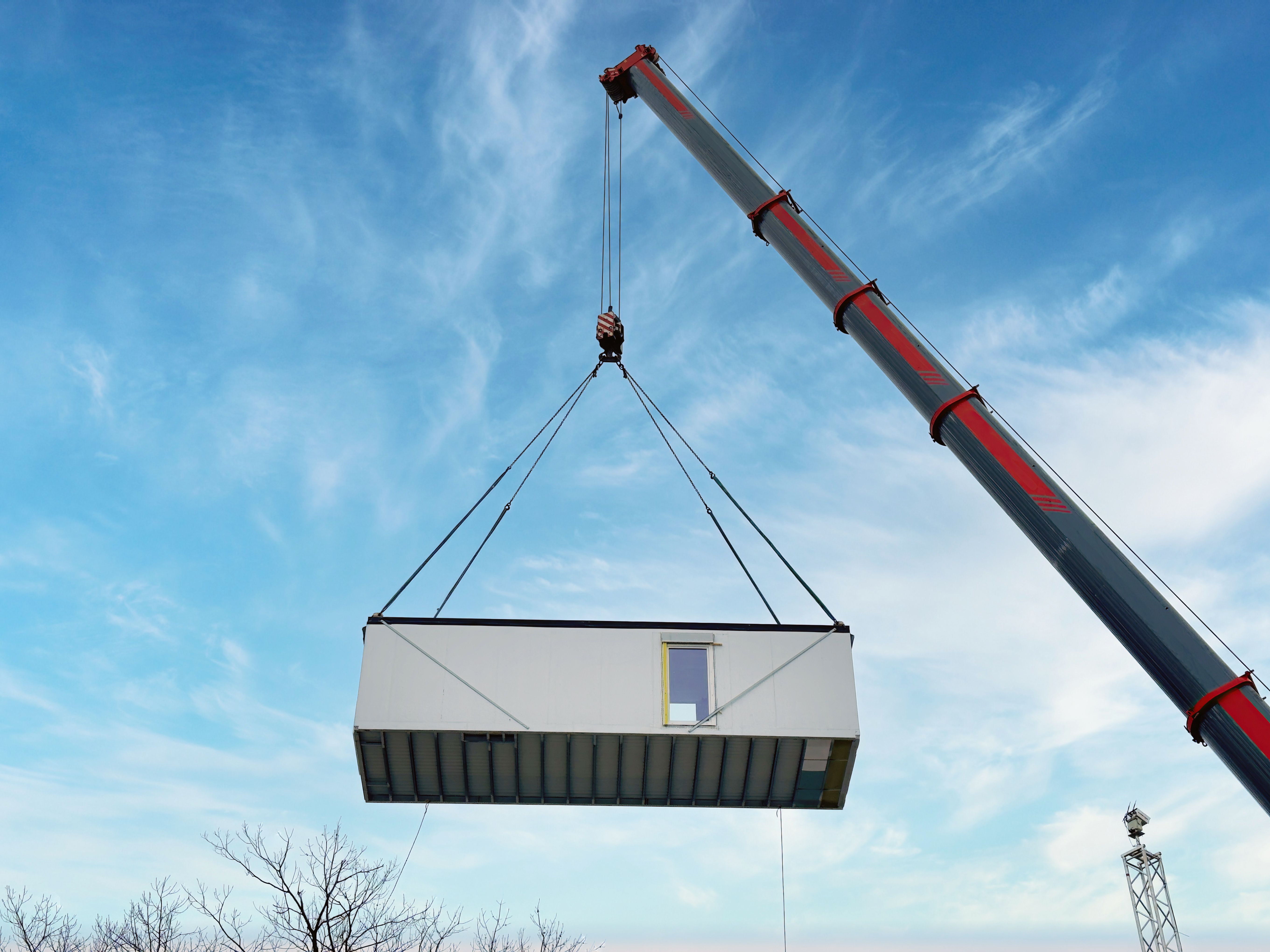
Modular construction is revolutionizing the building industry by offering innovative solutions that promise efficiency and sustainability. Unlike traditional construction methods, modular construction involves prefabricating sections of a building in a controlled factory environment before assembling them on-site.
One of the key advantages of modular construction is its ability to significantly reduce construction time. By allowing multiple construction phases to occur simultaneously, projects can be completed up to 50% faster than with conventional methods.
Efficiency and Reduced Waste
Modular construction techniques are celebrated for their efficiency. Since components are manufactured in a factory, there is better quality control, leading to fewer errors and less material waste. This controlled environment also means that construction is not affected by weather conditions, reducing delays and ensuring consistent quality.
Furthermore, modular construction is inherently more sustainable. By minimizing waste and optimizing resource usage, it supports environmentally friendly practices, making it an attractive option for eco-conscious developers.

Cost-Effectiveness
Cost is a significant factor in any construction project, and modular construction offers substantial savings. The accelerated timeline means reduced labor costs and less financial risk. Additionally, the economies of scale achieved in a factory setting can further decrease expenses.
Moreover, because modules are built in a central location, transportation costs can be lower compared to sourcing materials from multiple suppliers for traditional construction. These cost benefits make modular construction a compelling choice for budget-conscious projects.
Flexibility and Customization
Despite common misconceptions, modular construction offers a high degree of flexibility. Modules can be customized to fit specific design requirements, ensuring that aesthetic and functional needs are met. Whether building a single-family home or a multi-story office building, modular construction can adapt to diverse architectural styles.

Additionally, modular buildings can be easily expanded or reconfigured. This adaptability is particularly beneficial for businesses that anticipate growth or changes in their spatial needs, allowing them to modify structures with minimal disruption.
Improved Safety and Quality
Safety is a top priority in construction, and modular techniques excel in this area. The factory setting offers a safer environment for workers, reducing the risks associated with on-site construction. Furthermore, the precision of factory production ensures high-quality standards, leading to durable and reliable structures.
Modular construction is subject to rigorous inspection processes, both at the factory and on-site, ensuring compliance with building codes and regulations. This dual-layer of quality assurance enhances the overall integrity of the construction.

Conclusion
In conclusion, modular construction techniques provide a wealth of benefits that cater to the modern demands of speed, cost, flexibility, and sustainability. As the industry continues to evolve, these innovative methods are poised to play a crucial role in shaping the future of construction, offering solutions that are not only efficient but also environmentally responsible.
For developers and builders looking to embrace cutting-edge construction methods, modular construction presents a viable and attractive option that aligns with the goals of a rapidly changing world.